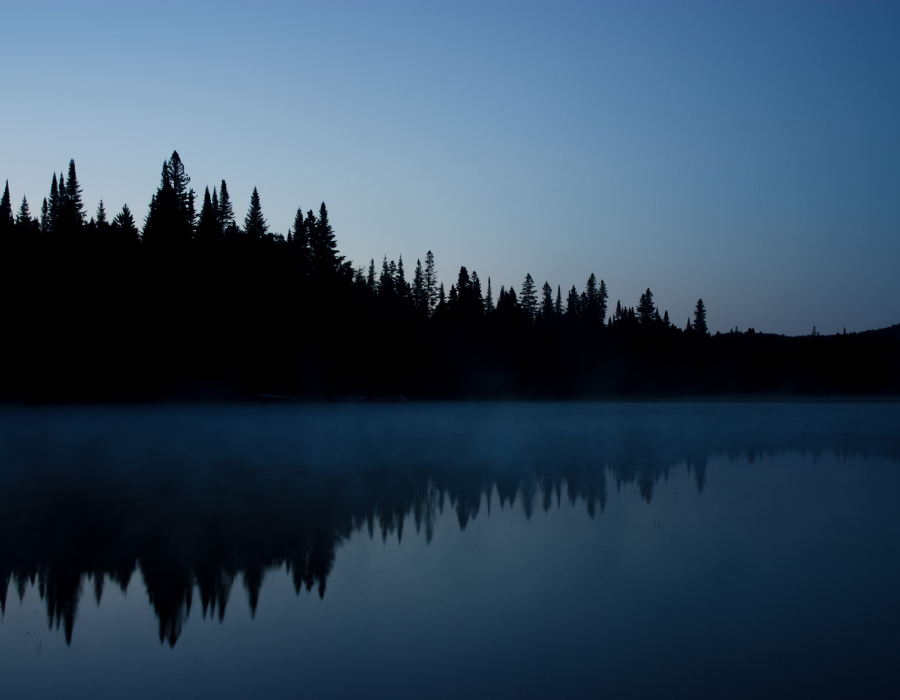
In February 2025, BioAgora consortium member Sybille Schroer (IGB) contributed to the project's exploration of non-scientist involvement at the interface between research and governance by co-authoring an article in the BMC Ecology and Evolution journal. Titled “Come to the dark side - citizen science in nighttime ecology”, it discusses the role of citizen science in nocturnal observation and data collection. With life at night remaining one of science’s biggest unknowns, a striking number of species, including many mammals and pollinators, are understudied simply because they are active after dark. Thus, this BioAgora co-funded study contributes to addressing a knowledge gap - limiting our understanding of key ecological processes such as pollination and ecosystem balance, while also highlighting the impacts of artificial light at night on feeding, reproduction and migration.
The study argued that part of the problem is human bias: as a diurnal species, we naturally focus on daytime activity, shaping both research priorities and public awareness. The so-called “daylight lens” of people leaves an entire dimension of biodiversity largely overlooked. In effect, when we sleep, we miss half of nature and risk misunderstanding how ecosystems truly function.
Citizen science is argued to be emerging as a powerful way to close the gap in understanding nighttime biodiversity. Engaging in its observation can enhance data collection, uncover previously hidden species and behaviours and raise awareness of environmental threats such as light pollution from artificial light in the darker hours. Nighttime citizen science practices could also help bridge science, society and policy, turning such observations into valuable data that can inform research on individual behaviour as well as conservation and decision-making.
Despite challenges such as safety concerns and species identification, nighttime citizen science holds considerable potential to support research, inform urban planning and empower people to value and protect natural darkness. As evidence grows, one thing becomes clear: safeguarding the night is not just a scientific priority, but a societal one and citizen science can help bring it into the spotlight.
The full article can be accessed here, while the comprehensive library of BioAgora publications is available on this page.